We advance AI-driven automation, human-robot teaming, and embodied intelligence to reshape how factories think, adapt, and collaborate.
The Industrial AI Group is a research group dedicated to bridging the gap between cutting-edge artificial intelligence and real-world industrial applications. Founded at the intersection of robotics, machine learning, and manufacturing systems, we develop intelligent solutions that are deployable, safe, and human-centric.
Selected demos and talks from our group
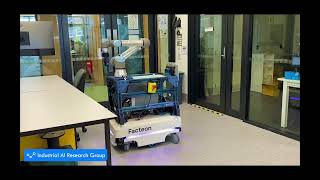
An overview of our human-robot collaboration research at the University of Auckland — demonstrating safe and intuitive teaming between human workers and collaborative robots.

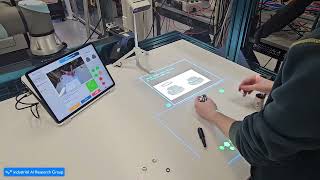
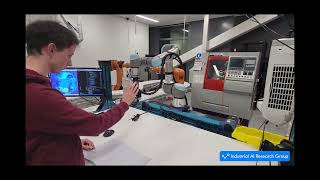
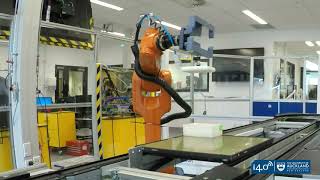
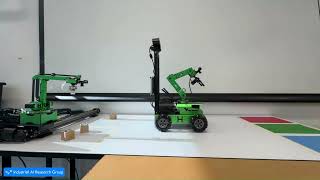
Three interconnected pillars defining our scientific agenda
Developing intelligent, adaptive production systems where machines, processes, and data streams cooperate autonomously. Our work spans multi-agent scheduling, digital twin integration, and AI-driven quality control for smart manufacturing.
Enabling safe, intuitive, and efficient cooperation between humans and robots on the factory floor. We research shared autonomy, intention prediction, ergonomic task allocation, and trust calibration in HRC systems.
Building robots that learn through physical interaction with the world. Our research integrates foundation models and sensorimotor learning to create adaptable industrial agents.
Latest from the lab
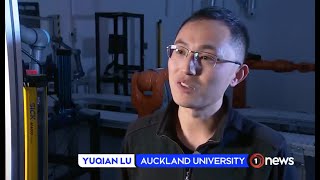
Dr. Yuqian Lu has been nominated as an Associate Editor for the 2027 IEEE International Conference on Robotics and Automation (ICRA), the flagship conference of the IEEE Robotics and Automation Society.
Read more →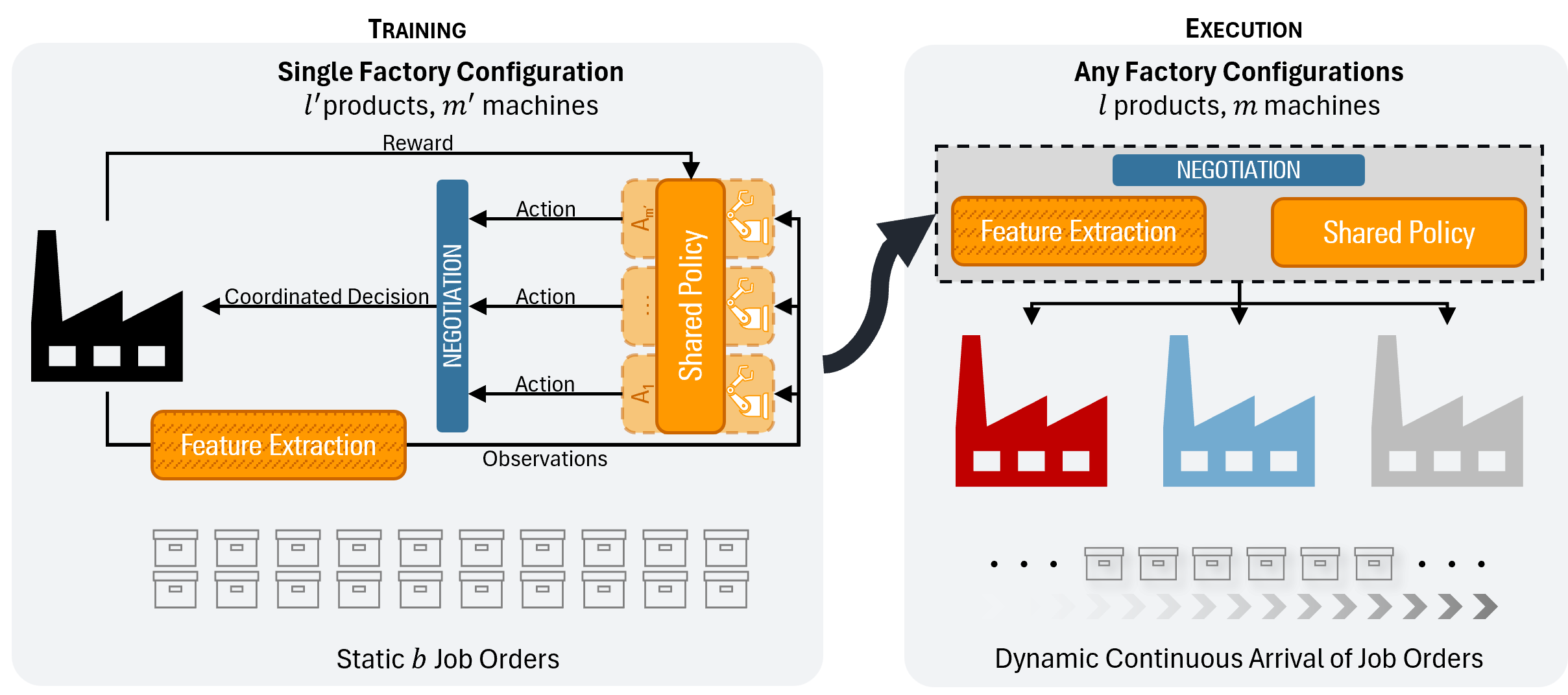
Dazzle Johnson's PhD research on multi-agent continuous decision-making for dynamic flexible job shop scheduling has been accepted for publication in IEEE Transactions on Automation Science and Engineering.
Read more →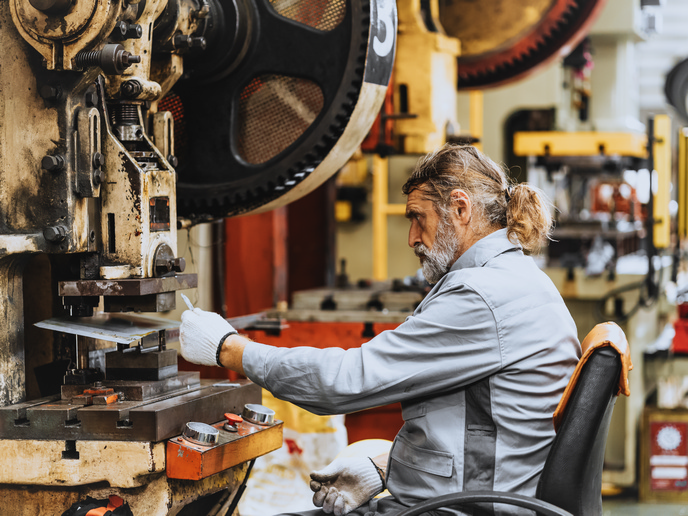
Our team is grateful to contribute to global efforts rethinking work for an ageing Europe, as featured in a recent EU Horizon CORDIS article on the MAIA project.
Read more →A fully funded PhD scholarship is available in the Industrial AI Research Group, focusing on developing intelligent, collaborative automation systems for the factories of the future.
Read more →A fully funded PhD scholarship is available in the Industrial AI Research Group, focusing on developing robot skill learning techniques.
Read more →Open datasets, tools, and community programmes from our group
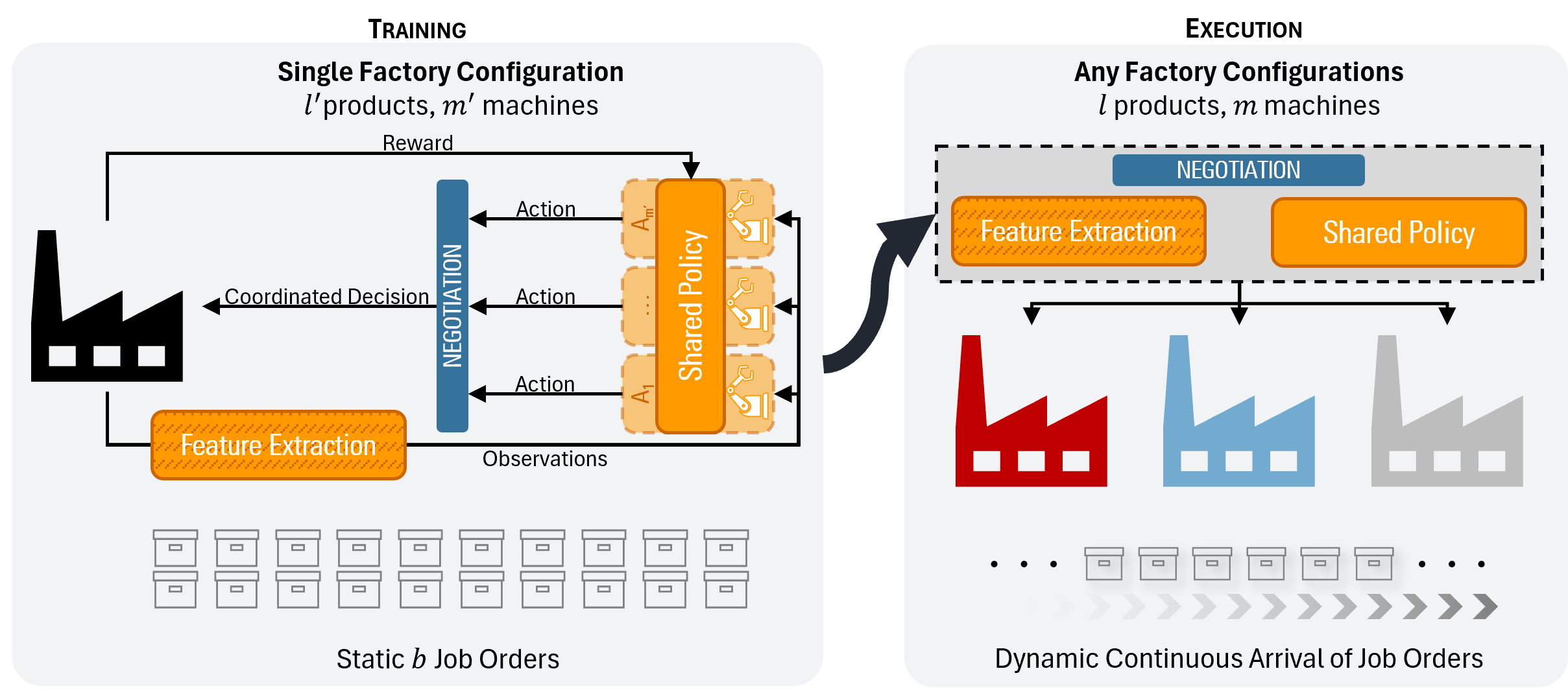
Multi-Agent Continuous Decision-Making
A generalised scheduling framework combining Graph Neural Networks and multi-agent reinforcement learning to solve continuous dynamic job shop scheduling across diverse factory configurations — without retraining.
View on GitHub →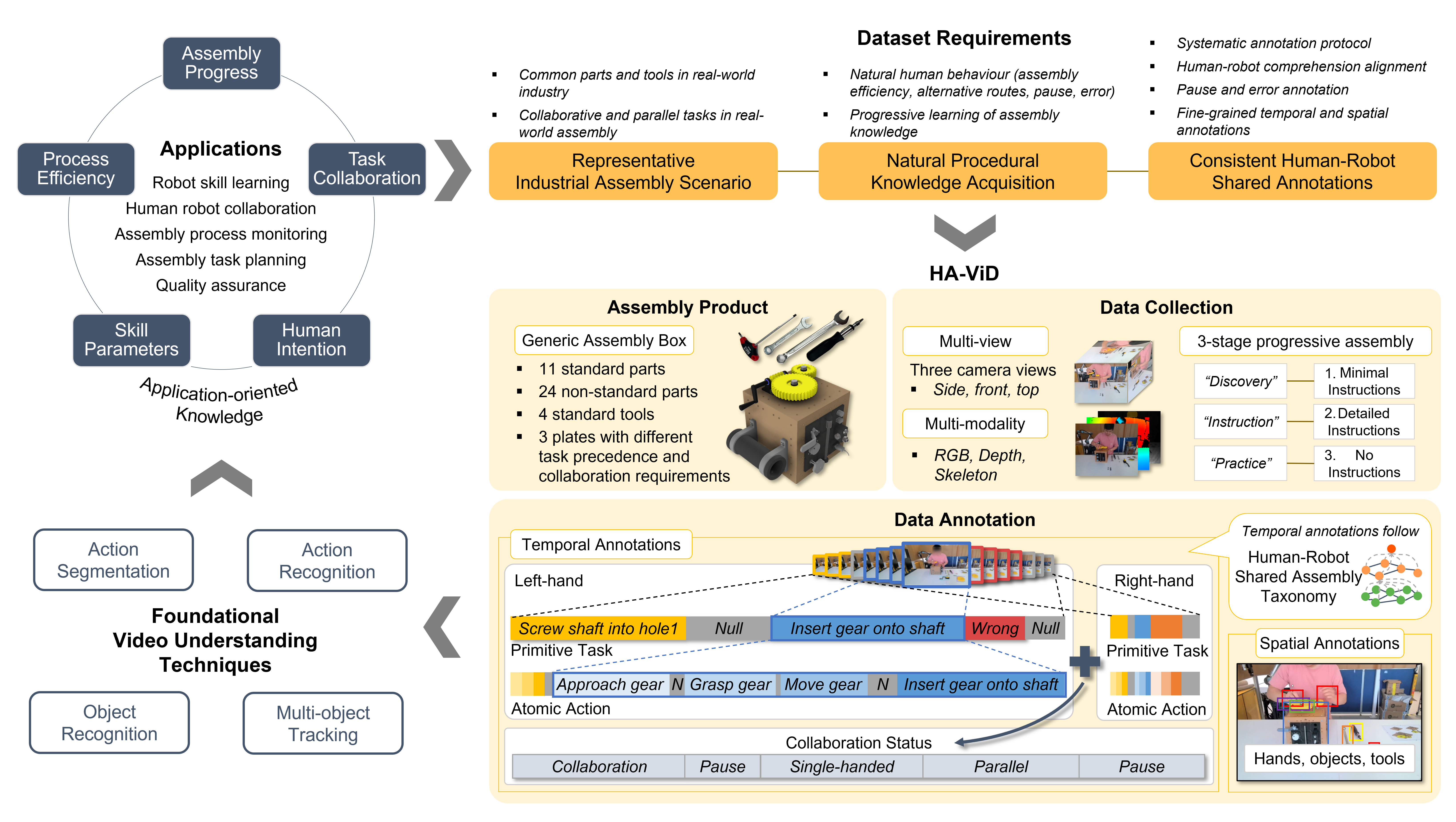
Human Assembly Video Dataset
Towards comprehensive assembly knowledge understanding — a large-scale dataset capturing human assembly actions for training and evaluating intelligent manufacturing systems.
Visit project →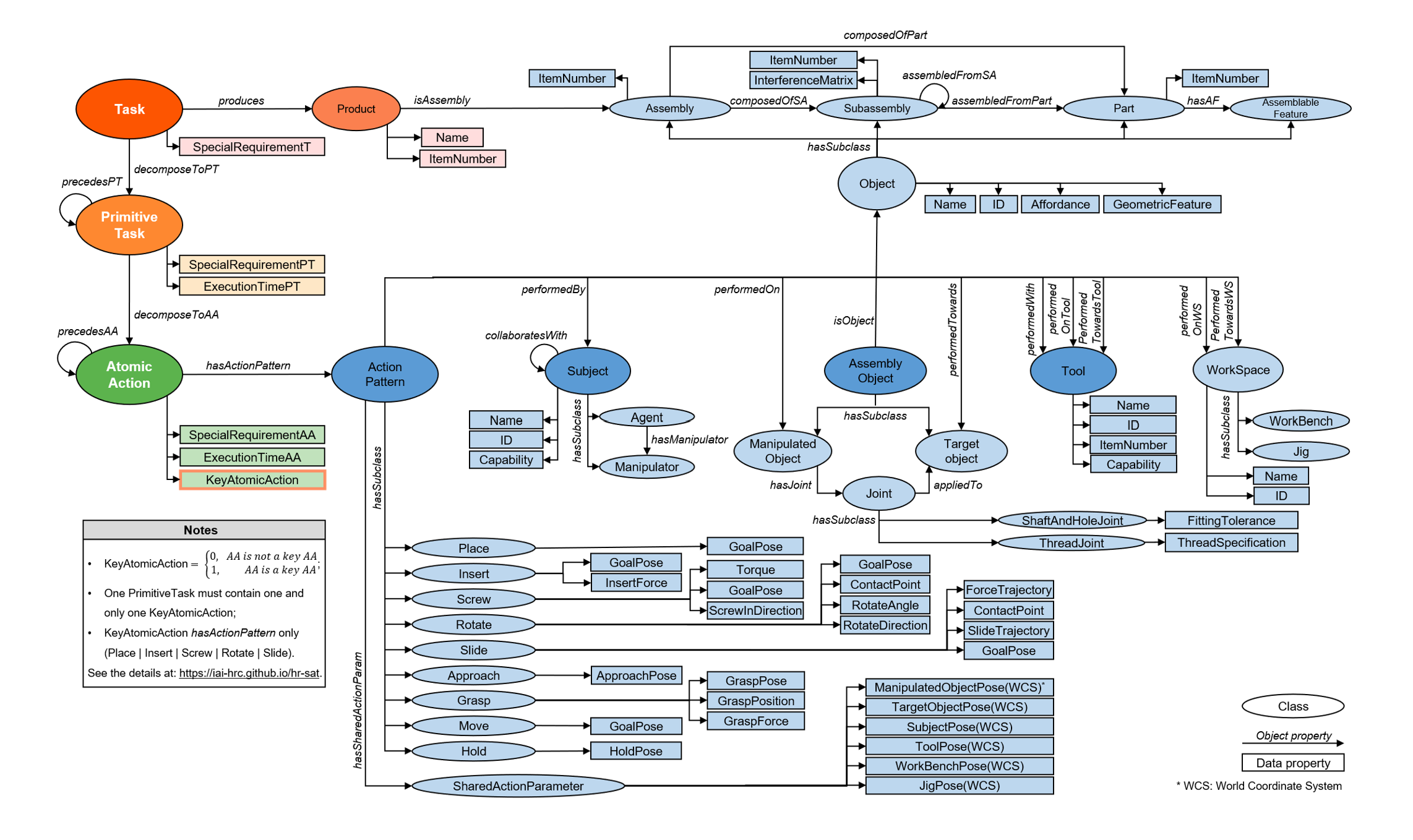
Human-Robot Shared Assembly Taxonomy
Towards seamless human-robot collaboration — a shared taxonomy enabling robots and humans to communicate assembly knowledge using a common structured vocabulary.
Visit project →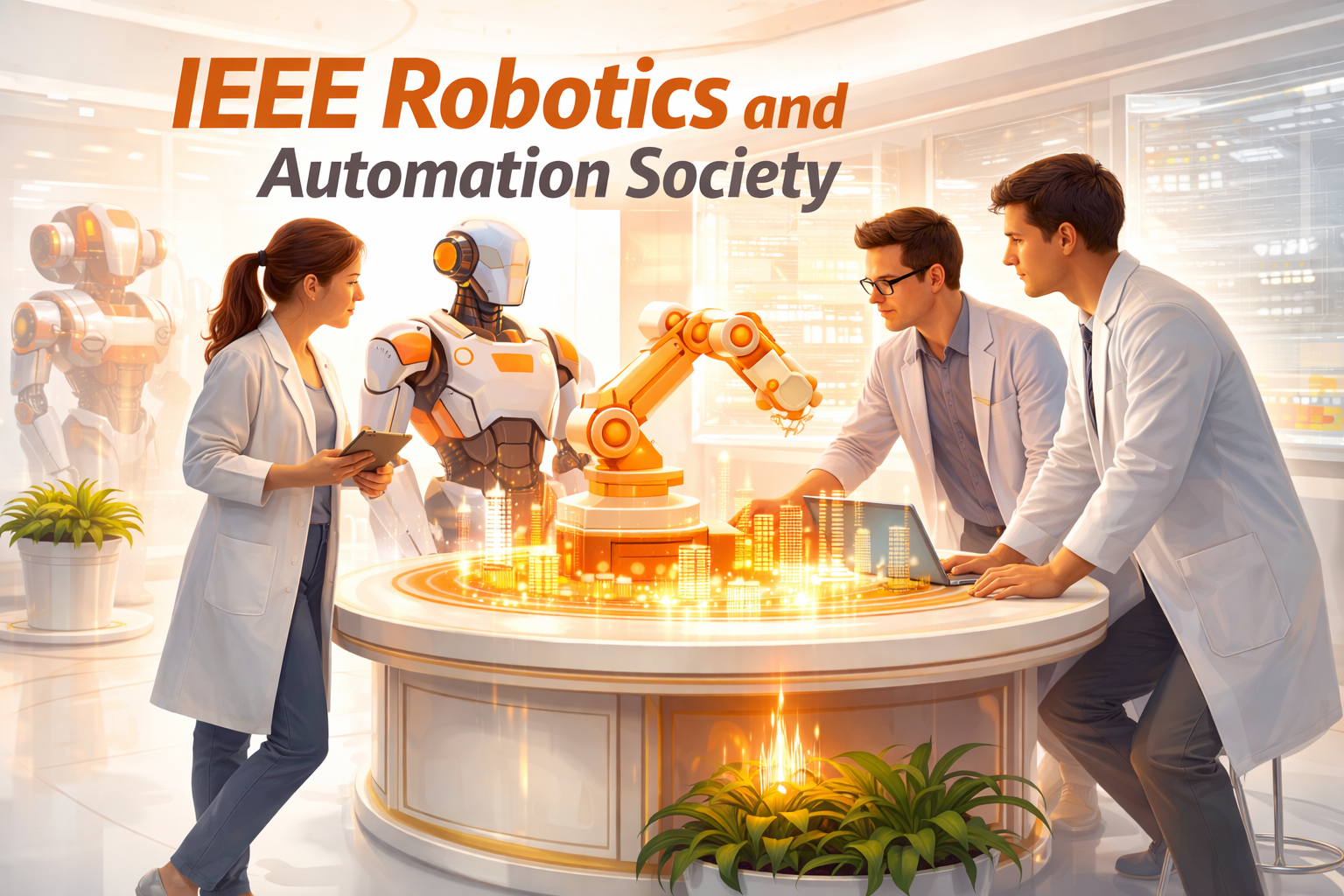
IEEE Robotics and Automation Society
A webinar series featuring expert talks on emerging topics in robotics, automation, and intelligent manufacturing — open to the global research community.
Visit website →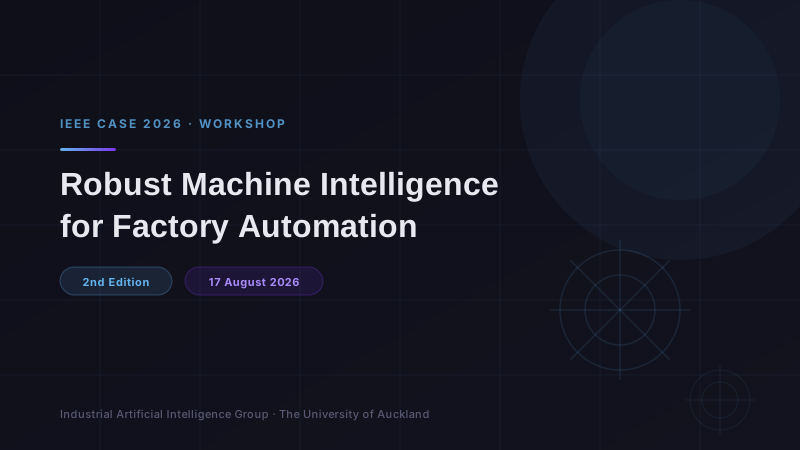
Robust Machine Intelligence for Factory Automation
An annual workshop series bringing together researchers and practitioners to develop trustworthy machine learning technologies for mission-critical factory operations. 2nd edition at IEEE CASE 2026.
View workshop →A multidisciplinary group of researchers and engineers
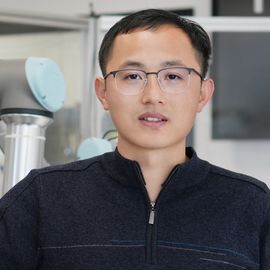
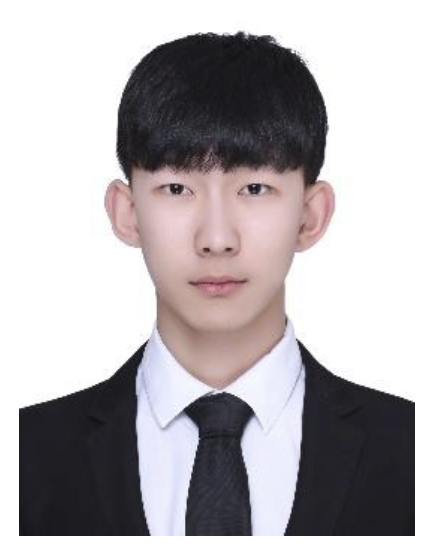
Senior Lecturer — University of Auckland
Dr. Yuqian Lu earned his PhD in Mechatronics Engineering from the University of Auckland in 2017, rejoined as Lecturer in 2019, and was promoted to Senior Lecturer in 2022. His research centres on cognitive sensing, reasoning, control, and human interaction technologies for intelligent manufacturing and construction systems. As PI, he has secured over NZ$2.1M in competitive funding (MBIE, NSC, Callaghan Innovation) and contributed as co-PI to projects totalling more than NZ$20M. He has authored over 120 papers, serves as Associate Editor for IEEE T-SMCS, IEEE T-ASE, and other leading journals, and is recognised in Stanford University's World's Top 2% Scientists (2021–2024). He received the University of Auckland Early Career Research Excellence Award in 2023 and multiple Best Paper Awards from the Journal of Manufacturing Systems, Robotics and Computer-Integrated Manufacturing, and CIE.









State-of-the-art equipment supporting cutting-edge research
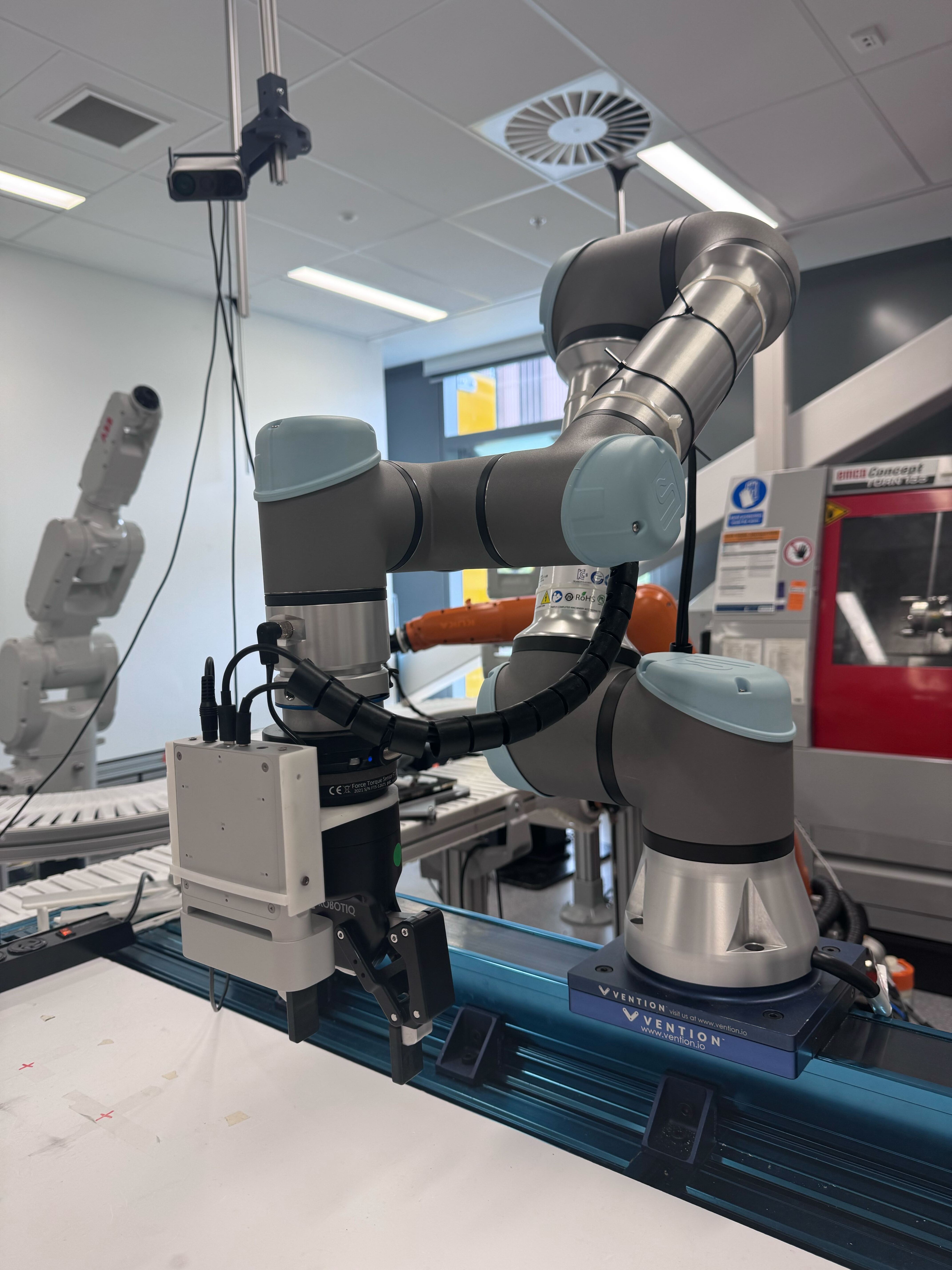
6-DOF Universal Robots UR5e cobot with 5 kg payload and ±0.03 mm repeatability. Used for HRC task allocation, skill learning, and assembly demonstrations.
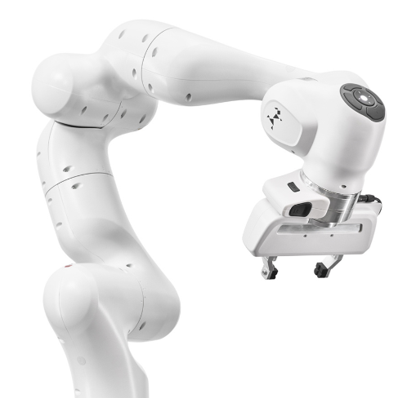
7-DOF torque-controlled manipulator with integrated force-torque sensing at each joint. Primary platform for dexterous manipulation and sim-to-real transfer research.
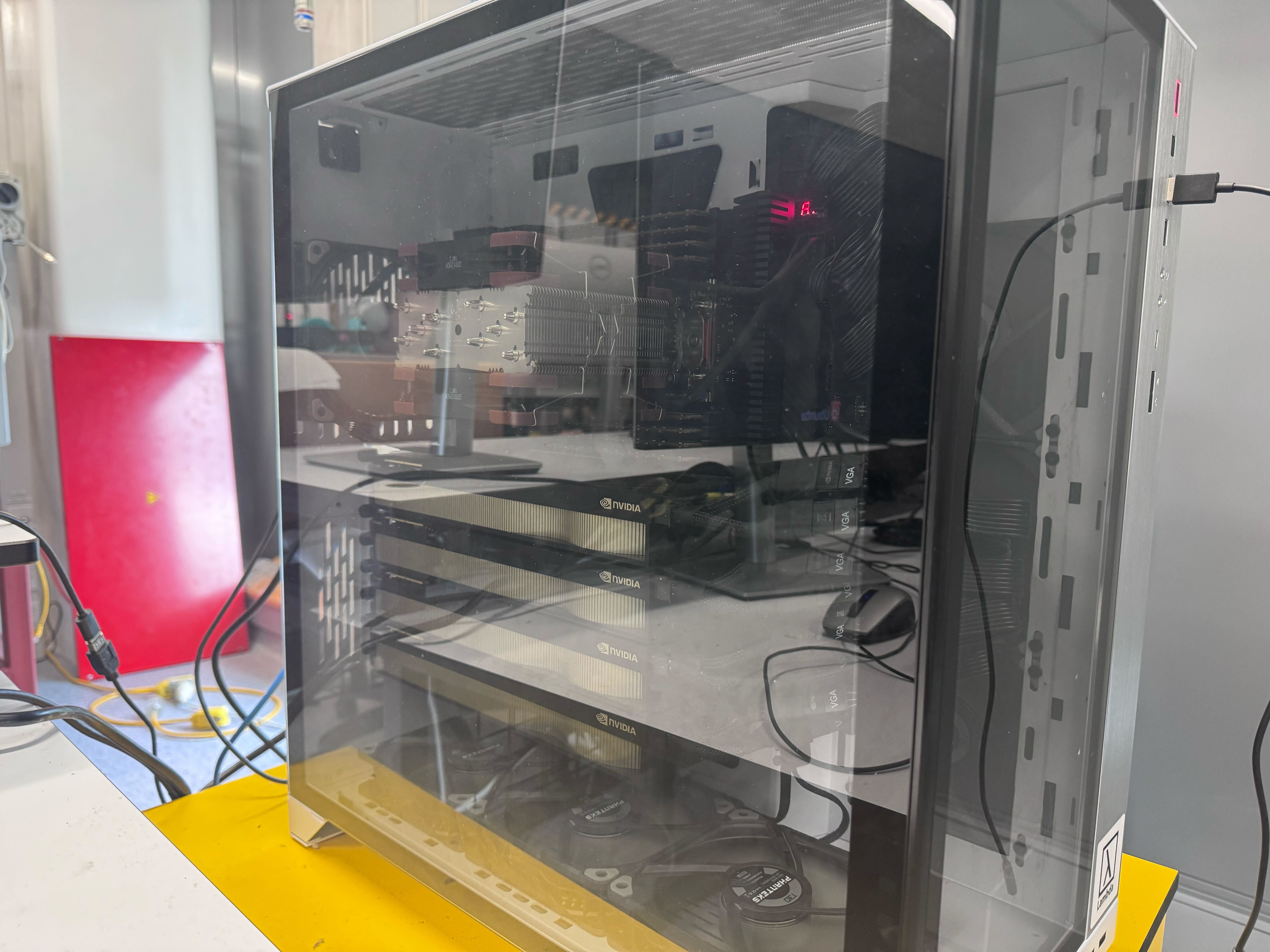
On-premises server cluster with multiple NVIDIA A100 GPUs for training large vision-language models, foundation models for robotics, and large-scale simulation workloads.
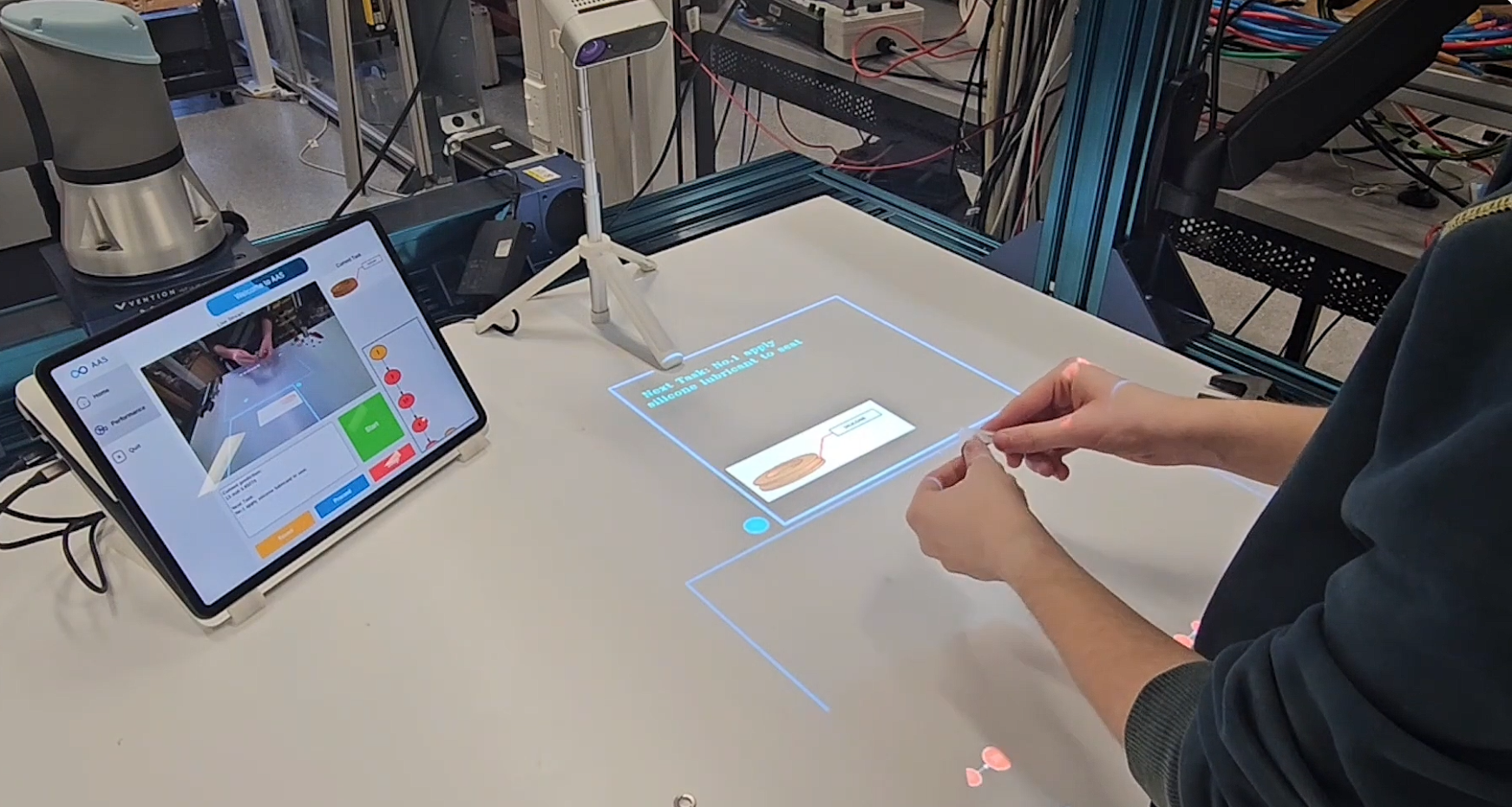
Custom assembly station with embedded force/torque sensors, multi-angle cameras, and tool tracking for capturing rich multi-modal data during human assembly tasks.
Dedicated shared workspace for studying safe and intuitive human-robot teaming. Equipped with proximity sensors, vision systems, and force-sensitive interfaces to support intention recognition, ergonomic task allocation, and trust calibration experiments.
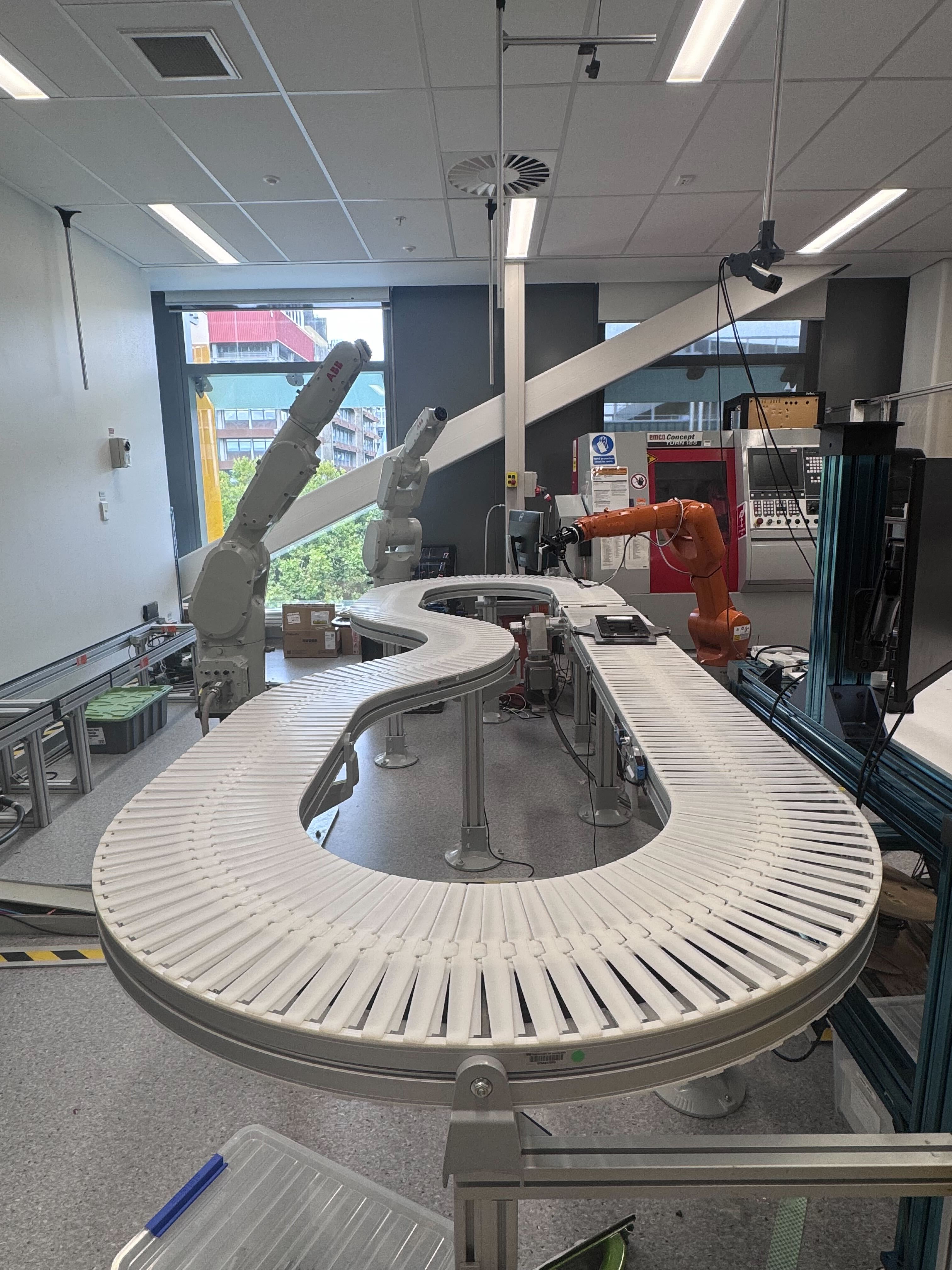
A reconfigurable production line testbed for validating intelligent manufacturing algorithms in realistic settings. Supports multi-robot coordination, AI-driven quality inspection, adaptive process control, and digital twin integration research.
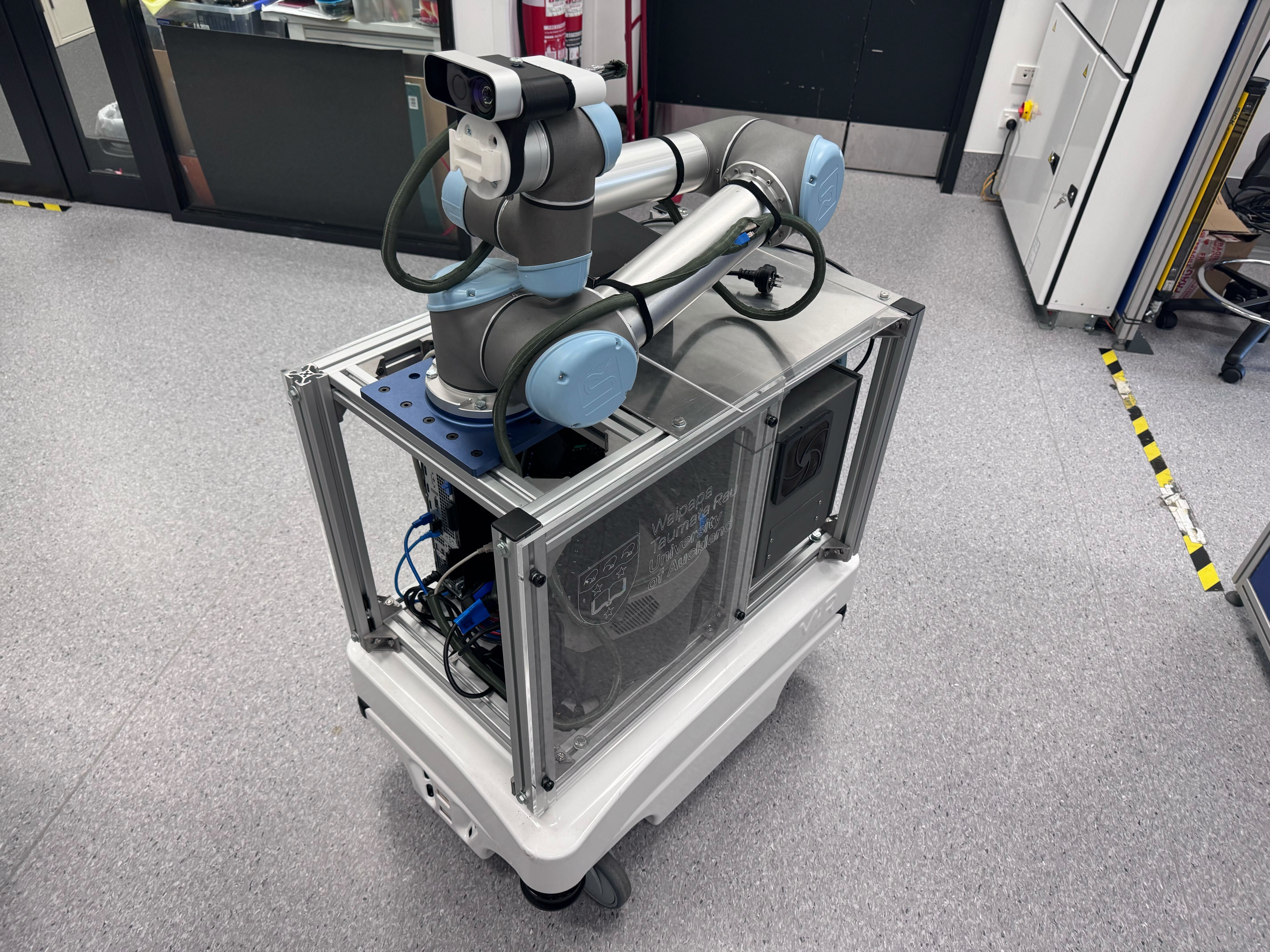
UR5 robotic arm mounted on a MiR100 autonomous mobile robot platform. Combines the reach and dexterity of a 6-DOF manipulator with fleet-level mobility, enabling research into flexible intralogistics, autonomous pick-and-place, and mobile manipulation in dynamic factory environments.
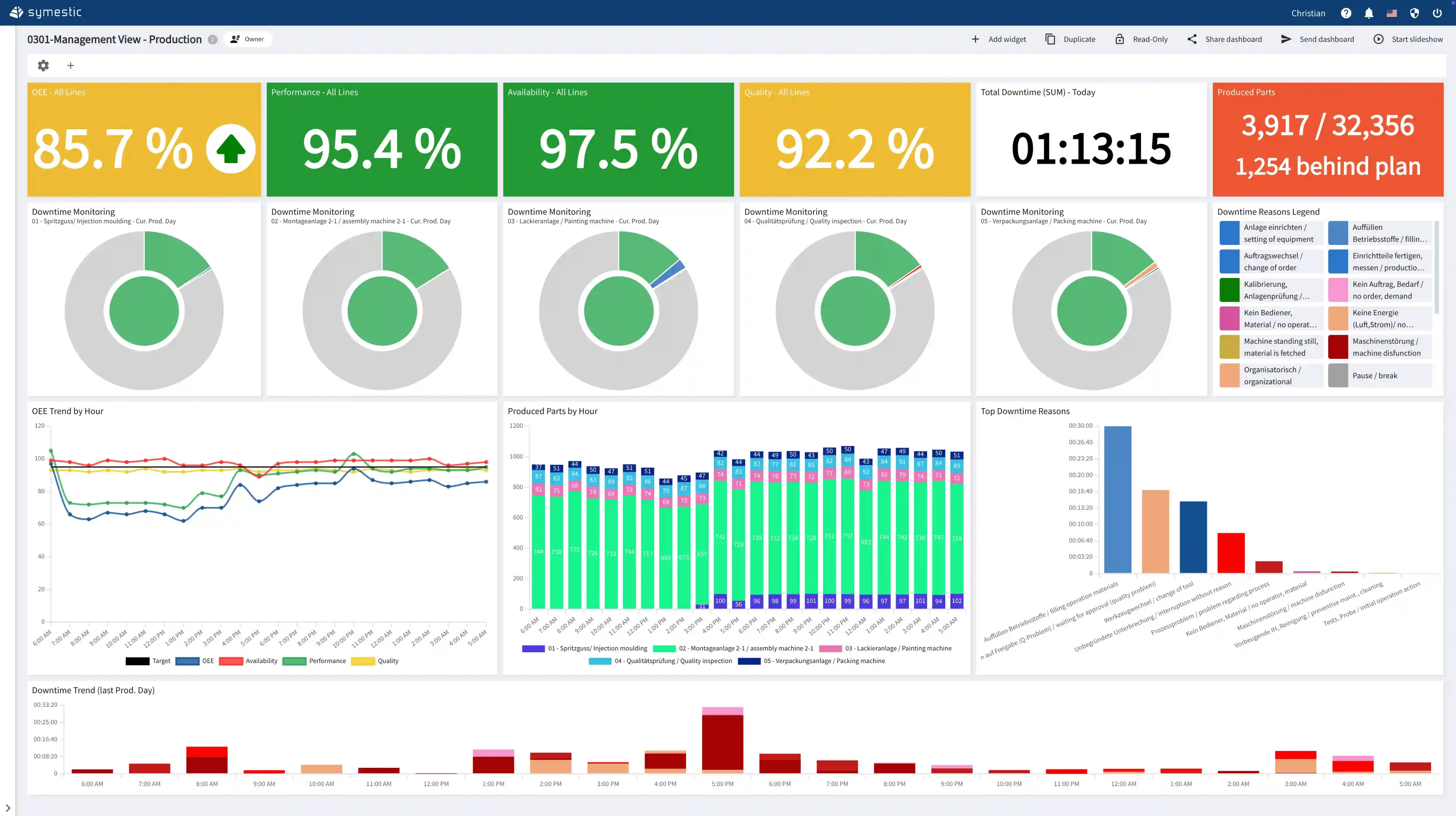
An industry-grade MES platform providing real-time visibility and control across production workflows. Used to research intelligent scheduling, process traceability, quality management, and seamless integration between shop-floor operations and enterprise-level data systems.
Recent contributions to top-tier venues
IEEE Transactions on Automation Science and Engineering (2026)
Journal of Manufacturing Systems, Vol. 79, pp. 134–161 (2025)
Robotics and Computer-Integrated Manufacturing, Vol. 93 (2025)
International Journal of Computer Integrated Manufacturing, Vol. 38, pp. 136–157 (2025)
Automation in Construction, Vol. 170 (2025)
Journal of Intelligent Manufacturing (2024)
Computers in Industry, Vol. 154 (2024)
Interested in collaboration, joining the lab, or learning more?
Faculty of Engineering and Design
The University of Auckland
Auckland, New Zealand
Full scholarships available for talented PhD students. View openings →